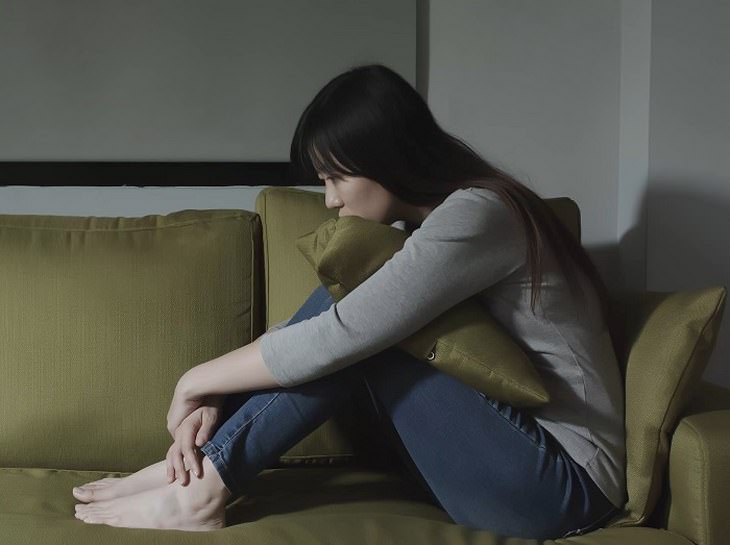
However, for millions of people around the world, these depressive symptoms are severe and long-lasting, which end up affecting how they sleep, eat, think, and live their lives. One such person was Diana Lillo, 55. Despite her symptoms changing from one year to the next, every winter she found that she had “depression for no apparent reason—a generalized feeling of ‘doom and gloom’ even when nothing, in particular, was wrong.”
When it started to affect her marriage, Lillo sought help and was diagnosed with SAD. “Seasonal affective disorder, or SAD, is clinical depression that follows a seasonal pattern,” says Kelly Rohan, Ph.D., Professor of Psychological Science and Director of Clinical Training at the University of Vermont.
Health professionals are not entirely sure why it occurs, but they agree that a lack of sunlight plays a key role. One theory is it messes with your biological clock, which can lead to symptoms of depression. Another theory is that the lack of light interferes with brain chemicals, such as serotonin and melatonin, which affect sleep and mood.

If you have the usual winter blues, your symptoms will most probably be rather mild. “Perhaps you feel a little less energetic than you do in the summertime and have some food cravings that are unusual, like wanting to eat more carbohydrate-rich foods, or you sleep a little more, but not substantially more,” says Rohan. Such feelings will typically leave of their own accord, possibly just after a few days.
On the other hand, SAD typically causes more serious oversleeping, weight gain, appetite changes, lethargy, and social isolation. You could also end up experiencing intense sadness, irritability, problems concentrating, feelings of hopelessness or worthlessness, or even suicidal thoughts.
What's more, if you are diagnosed with SAD, these symptoms will stick around “for at least two weeks, if not longer, most of the day, nearly every day,” according to Rohan. They will interfere with your daily functioning and ability to do things, causing a lot of distress.

That’s precisely what happened to Lillo, who found that she was “going deeper and deeper into depression until suicidal thoughts appeared every winter.” This “every winter” part is key: If the symptoms of depression have appeared for at least two years in a row, and haven’t turned up during other seasons, there’s a high chance that SAD is the cause.
If you think you might suffer from SAD, it’s important that you talk to your doctor about it. They might recommend antidepressants or therapy, in addition to some strategies you can try at home. One of the best things you could do is to maximize the amount of daylight that you're exposed to. Rohan suggests taking morning walks which "gets the light that is available to your retina, which can help reset a biological clock. And it gets you moving in terms of physical activity.”

Light therapy is also very useful when it comes to treating SAD. Your doctor can prescribe this form of therapy, which entails spending some time every morning sitting next to a box that emits very bright light. This will simulate the effect of sunlight and has been proven to work for approximately 70% of SAD patients.
When suffering from SAD, you would also do very well to avoid being alone. “Go meet up with that group you belong to or go to the gym or go see that movie, see friends for coffee,” says Rohan. “Withdrawing from those routines sets you up for what I call going into hibernation mode, which really breeds depression.”
All in all, people with SAD need to be prepared for the future. This may involve anticipating “down” times, watching out for worsening symptoms, and planning activities ahead. It may also mean beginning treatments before allowing any symptoms to kick in since the best defense is a good offense.
A few practical tips if you find you or someone you love suffer from SAD
1. Make light exposure a morning ritual - Aim for natural sunlight first thing: open blinds and sit by a bright window for 10–20 minutes, or take a brisk 20–30-minute walk within an hour of waking. If outdoor light is limited, use a properly designed light box — most guidelines recommend about 10,000 lux and about 20–30 minutes each morning for many people.
2. Consider prescribed light therapy early - If winter routinely drags you down, start bright-light therapy before symptoms peak and use it daily through the season. Light therapy is noninvasive, can be used at home, and many people with SAD get meaningful benefit.
3. Keep a consistent sleep–wake schedule - Go to bed and wake up at the same times every day, even on weekends. Regular timing helps stabilize the circadian rhythm that SAD disrupts — small, steady routines reduce daytime sleepiness and mood dips.
4. Prioritize morning activity - Exercise in the morning when possible (walk, light cardio, or a short home routine). Morning movement combines daylight exposure with endorphin release and makes the day feel more activating rather than “hibernating.”

5. Watch what — and when — you eat - Favor regular, balanced meals with protein, fiber, and healthy fats to steady blood sugar. If carbohydrate cravings spike in winter, plan satisfying, portion-controlled meals rather than impulsive binges — this reduces downstream low mood and energy crashes.
6. Use structure to counter withdrawal - Schedule small social or productive commitments at least 2–3 times a week — a coffee with a friend, a class, or a short volunteer shift. Action beats avoidance; even low-effort social contact helps prevent the isolation that deepens SAD.
7. Try cognitive strategies - Brief, structured techniques from cognitive-behavioral therapy (CBT) — for example, noticing and reframing automatic negative thoughts and building pleasant-activity lists — are shown to help reduce seasonal depression when used consistently. Ask a clinician about CBT-SAD programs if symptoms are recurring.
8. Stay physically and visually bright at home - Swap heavy curtains for light-colored sheers, bring houseplants or fresh cut flowers into sightlines, and use full-spectrum bulbs in frequently used rooms to increase ambient light.
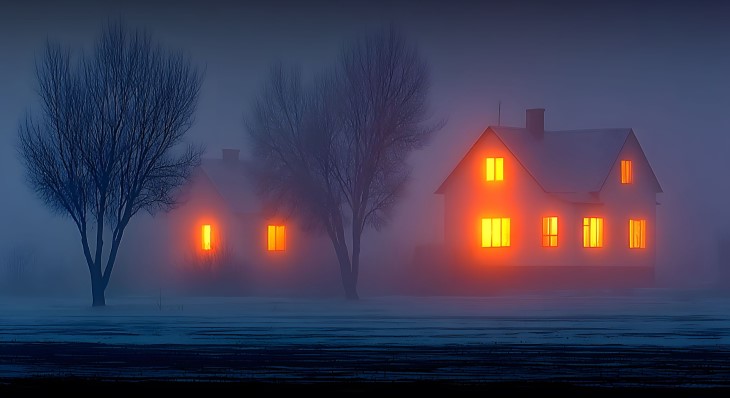
9. Limit evening bright screens and late light - Bright light late in the day can delay melatonin and worsen sleep. Dim screens and lights 1–2 hours before bedtime; consider blue-light filters in the evening.
10. Plan winter ahead - If prior winters are predictable, prepare a coping checklist — light box setup, appointment with your therapist or doctor, extra social plans, and a self-care kit (favorite music, recipes, and short exercise videos). Starting treatments or habits early often reduces the season’s worst weeks.
11. Use small, daily anchors - Keep a short list of 3 tiny habits to do each day (pour a favorite tea, step outside for two minutes, call one person). Success on small things builds momentum and counters inertia.
12. Monitor symptoms but don’t over-check - Keep a simple mood log — one line per day noting sleep, energy, and social activity — so you can spot patterns and know when to reach out for help.
13. Know when to get urgent help - If suicidal thoughts, planning, or loss of ability to care for self occur, seek immediate help. In the U.S., call or text 988 for the Suicide & Crisis Lifeline — it’s free, confidential, and available 24/7. If someone is in immediate danger, call local emergency services or go to the nearest ER.

 Go to BabaMail