How does our eye color develop?
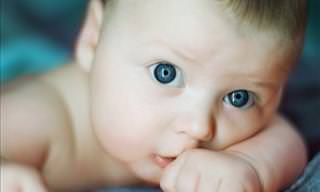
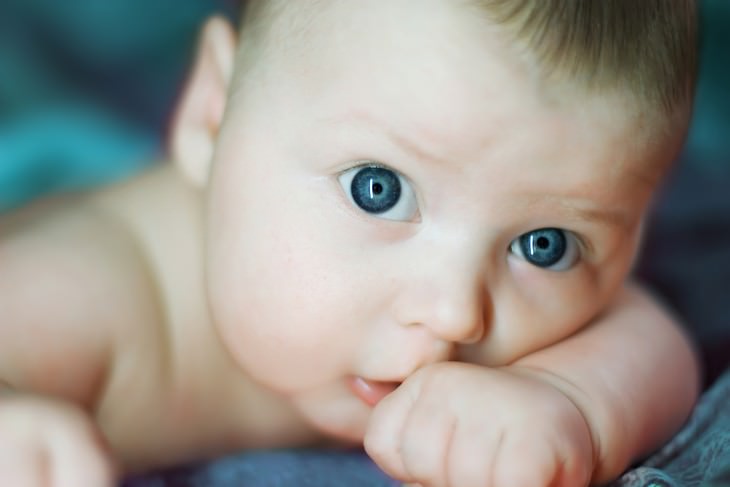
When you were born, you likely had blue eyes. Babies’ eyes display this color because their bodies and eyes contain low levels of melanin, the pigment that gives your eyes, skin, and hair their color. Once your body becomes exposed to light, it starts to produce more melanin, the shade of your hair, skin, and eyes usually darkens to an extent, depending on your genes.
The color of our eyes is usually the last to fully form. The eye color of the majority of the world’s population usually darkens to the point it becomes dark brown, regardless of how much or little light exposure they have and will stay the same for the rest of their lives (some peoples' eyes remain a certain shade of blue or green, depending on one's genes). In the rare occurrence the eyes change color significantly throughout adulthood, there are several common causes that are important to be aware of.
The common causes of eye color change
1. Mood
Intense joy or rage can change the regularity of the heartbeat and release hormones that cause the pupils to expand or contract. When the pupil changes size, the pigments in the iris compress or spread apart, and change the shade of your eye color.
2. Iris Freckles
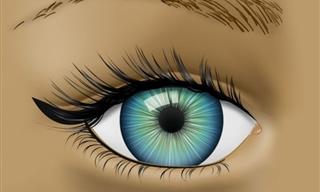
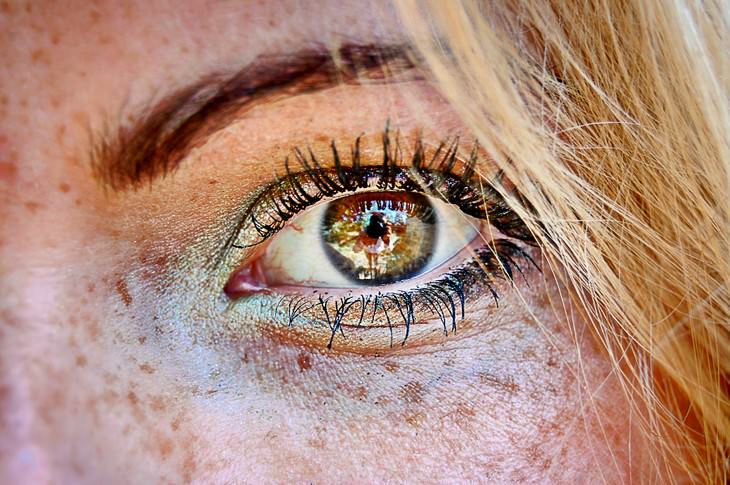
Iris freckles, medically called iris ephelis, are small brown spots that can appear on the surface of the iris. Occurring in about 60 percent of people, these flecks on the surface of the iris (the colored part of the eye) are due to increased amounts of the pigment melanin produced by cells called melanocytes. They do not affect your vision and do not develop into malignant melanoma; they might, however, lead to a change in eye color
Image: Iris ephelis
3. Aging
Many seniors develop a state called arcus senilis. It is manifested in a hazy blue or white ring on the cornea from a build-up of natural fatty substances - lipids. It’s common with aging and is usually harmless. Most people develop some degree of arcus senilis as they age.
4. Cataract
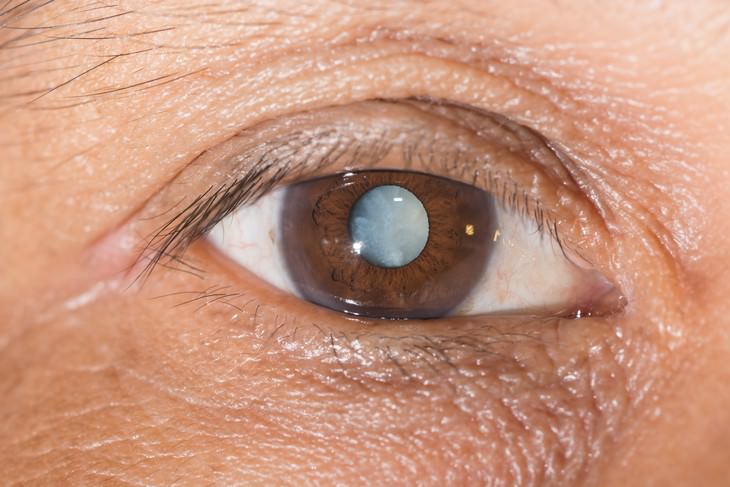
A cataract is a clouding of the lens of the eye, behind the pupil, that makes it look milky or gray. This state usually develops when aging or injury changes the tissue that makes up your eye's lens. Some inherited genetic disorders that cause other health problems can increase your risk of cataracts. In most cases, it isn’t a cause for great concern as it can be successfully removed with surgery.
Image: Cataract
5. Clothing
You might remember from your school days that complementary colors enhance one another. When reds and greens are placed together, the reds appear more vibrant while the greens appear lusher. This principle applies to eye color as well. If you wear certain colors of clothing, the pigments in your shirt, jacket, tie, or scarf could temporarily change the color of your eyes. Depending on the color you wear, your eyes may appear lighter or darker.

6. Heterochromia
Heterochromia refers to a condition where each iris has a different color. However, a few kinds of this condition exist. People with central heterochromia have a different color near the border of their pupils, while complete heterochromia means having eyes that are completely different colors. That is, one eye may be green and their other eye brown, blue, or another color.
Some people are born with some type of heterochromia, in which case it doesn’t affect their health. However, it is possible to develop heterochromia as an adult for various reasons: eye injury, eye surgery, glaucoma, or a tumor in the iris. Therefore, if you notice a drastic change in your eye color, it’s best to visit an ophthalmologist or optometrist to rule out any possible health risks.
Found this article interesting? Share it with your family and friends


 Go to BabaMail