Atypical Levels and Cancer Treatments
There are a vast number of reasons why your doctor may suggest you get a CBC. When it comes to cancer, a CBC is often taken at the time of diagnosis, and a number of other times during treatment. While chemotherapy interferes with cell division in cancer cells, it can also affect rapidly dividing cells in your bone marrow, unfortunately. That's why atypical blood cell levels during chemotherapy are known as bone marrow suppression.
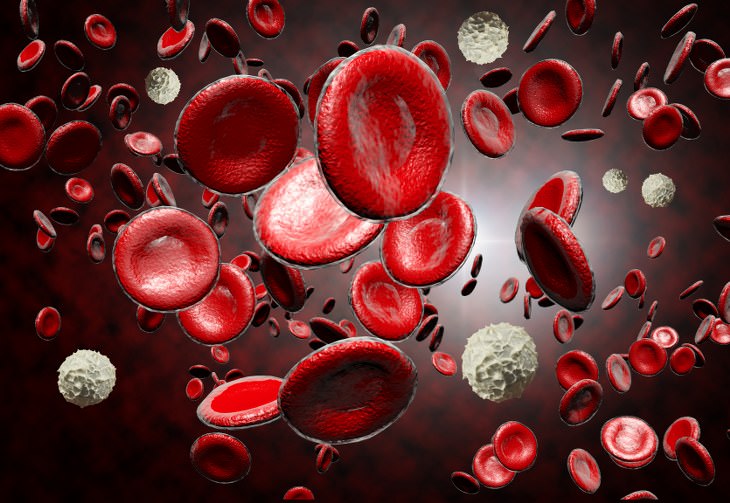
A low level of white blood cells during chemo is typically known as chemotherapy-induced neutropenia. Neutrophils are only a single kind of white blood cell, but they are often the ones responsible for predisposing someone to disease when numbers are low due to chemo.
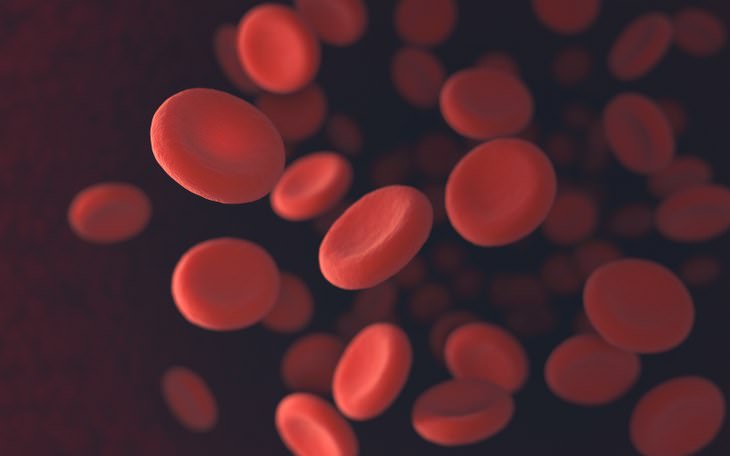
Low red blood cell levels during chemo is known as chemotherapy-induced anemia. It can happen due to loss of blood from surgery or from the effect of chemo on red blood cell production in the bone marrow.
A low level of platelets during chemo is known as chemotherapy-induced thrombocytopenia. Platelet levels might also be low while treatment is ongoing due to bleeding from surgical intervention.

 Go to BabaMail