The COVID-19 era has thankfully passed its peak. We are collecting the pieces and putting them back together. Everyone is traveling and getting back on their feet, but there is still the mental aftermath to deal with. And as if Covid wasn’t nerve-racking enough, we are now seeing a worldwide surge in a new disease called monkeypox.
By now, we are all very well-adjusted to the precautions we need to take to stay healthy. These include keeping social distance, practicing hygiene, and wearing a mask.
But the monkeypox virus does not behave the same as Covid, and while, at this point, we all know a thing or two about it, there is still a lot of misinformation and myths around monkeypox. We are here to bust 8 of those today.
 We don’t know exactly how long this virus has been infecting monkeys, but it was first discovered by scientists in lab monkeys in 1958. The first documented case of human infection was in 1970 in the Democratic Republic of the Congo. Other than that, there have been only anecdotal infections in travelers returning from countries in Africa, where this virus is endemic.
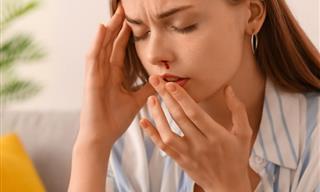
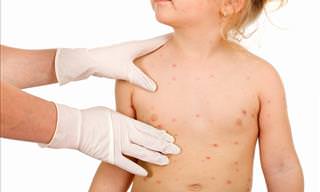
 A rash certainly is the most common symptom and indicator of the disease. But it only marks the peak of the illness, which shows on the body only after a week of fever, headaches, soreness in the muscles, chills and overall exhaustion, possible swollen lymph nodes, and other cold symptoms such as a sore throat, nasal congestion, or a cough.
 Unlike COVID-19, the monkeypox virus is not airborne. It can live on surfaces for a relatively long time, but you most likely will not be infected if you stay in the same room with a sick person. It’s transmitted through direct contact, such as shaking hands or drinking from the same cup.
If you live with someone who got infected, practice cleaning and disinfecting surfaces on a daily basis. Avoid physical contact, and wash bedsheets and clothing with hot water while wearing gloves.
 Monkeypox is not a sexually transmitted illness. Many people believe it is because infection requires prolonged physical contact or direct contact with bodily fluids. This means that it can be spread through sexual intercourse. It can also be transmitted through hugging, kissing, or even strictly non-sexual or intimate contact, such as shaking hands or sharing utensils during a dinner with guests.
Monkeypox can affect anyone regardless of their sexual orientation. As doctor Mail Curry, the regional clinical Director at Carbon Health, puts it, “The virus does not discriminate.“
Related: Monkeypox: A Guide
 Even with a prominent symptom such as a rash, monkeypox isn’t as easily detectable as you might assume. In mild cases, the infected person may not experience any symptoms other than the rash, which may seem like an allergic reaction or even a bug bite.
Even if left untreated, monkeypox will certainly go away on its own. But that is not to say that you can’t get help from the pharmaceutical world. According to the CDC, “There are no treatments specifically for monkeypox virus infections.” However, the CDC website clarifies that monkeypox and smallpox viruses belong to the same genetic family, and so, “antivirals, such as tecovirimat (TPOXX), may be recommended for people who are more likely to get severely ill, like patients with a weakened immune system.“
If you’re a healthy person, you could also use the assistance of over-the-counter painkillers, and even use at-home treatments like an oatmeals bath to relieve itching.
 Currently, there is no designated monkeypox vaccine. There are, however, two vaccines meant to protect against smallpox. The CDC says they are at least 85% effective against monkeypox. Neither are new, as one was approved for use in 2008 and the other in 2019.
We’ve already established that monkeypox is transmitted through skin-to-skin contact or sharing utensils, clothes, and bed sheets. That is because this virus can live on surfaces. However, it is not airborne, and it is not waterborne. You will not get infected if you swim in the same pool as an infected person, but you may get infected by touching unsterilized surfaces in the shower room or sharing the same towel.
The most burning question right now is, "Are we in for another global pandemic?" The answer is simply No. Monkeypox is more easily avoidable than COVID-19, it does not require strict social distancing, and some experts even say that it is “unlikely that in-person gatherings and events will be impacted the same way as with Covid 19. “

 Go to BabaMail