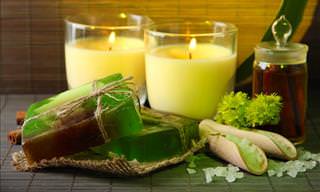
With harsher weather and shorter days few things set a comforting atmosphere as the gentle flicker of a candle's flame. But, you may want to think twice before lighting scented candles, as health experts agree that some may contain unhealthy chemicals and irritants. Though before you throw all your scented candles out, using them sparingly - lighting a candle once or twice a week in a well-ventilated room - need not have you worrying about your health.
Nevertheless, if you're firing up multiple scented candles on a daily basis, especially in a small space with doors closed, here are three health reasons that will convince you to change the habit:
1. Most emit some level of toxic chemicals
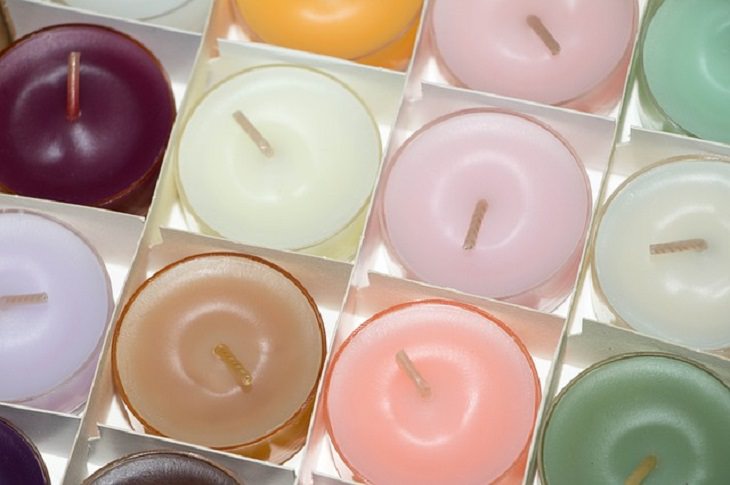
Many scented candles are made from paraffin, derived from crude oil, coal or shale. Adding to this, paraffin can also contain chemicals like benzene and toluene, both of which make the American Cancer Society's list of probable or known carcinogens. But that's not all. The fragrance added to scented candles contains phthalates - a category of endocrine-disrupting chemicals that may cause or promote cancer and fertility issues. Burning several candles also exposes you to levels of formaldehyde and acetaldehyde that exceed the agency's safety limits when it comes to cancer risk.
2. They could trigger severe asthma and allergy symptoms
A study conducted at the American Chemical Society found that chemical pollutants in paraffin wax candles may cause problems with allergies or asthma. But, just when you thought that you're safe with unscented paraffin or soy-based candles, a study from South Carolina State University found that such candles can also produce pollutants that could worsen indoor air quality and cause breathing problems.
3. Using older candles could lead to lead poisoning
Candle wicks contain lead, which when burned for more than two hours, could cause lead poisoning in adults. The smoke produced from lead wicks can also coat furniture or carpets, which similarly to tobacco smoke, could also harm kid's health. Thankfully, new public health regulations have banned the use of lead in candle wicks. To be on the safe side, scour your cabinets and check whether your candles were made prior to October 2003 - as these candles may contain lead.
The safe way to use candles
Opt for pure beeswax candles as opposed to paraffin wax. Beeswax candles provide the same ambience and warmth as paraffin without the health risks. They also emit a natural, sweet smell without the fragrance. If you'd rather opt for paraffin, keep them lit in a well-ventilated room.

 Go to BabaMail