Attention deficit hyperactivity disorder (ADHD) is a mental health condition typically associated with young boys. Most people don’t realize that ADHD is a lifelong condition with a strong hereditary component, meaning there are many (often undiagnosed) adults with this condition. Medicine is now catching up, but still, up to 75% of all adults and nearly 100% of seniors are undiagnosed according to the AARP.
Why is this significant? Given that most of these adults are undiagnosed, one may think they wouldn’t benefit from a diagnosis. However, that is not the case, namely because many adults end up being misdiagnosed and mistreated. Crucially, ADHD is often confused with Mild Cognitive Impairment (MCI) and even dementia in senior adults.
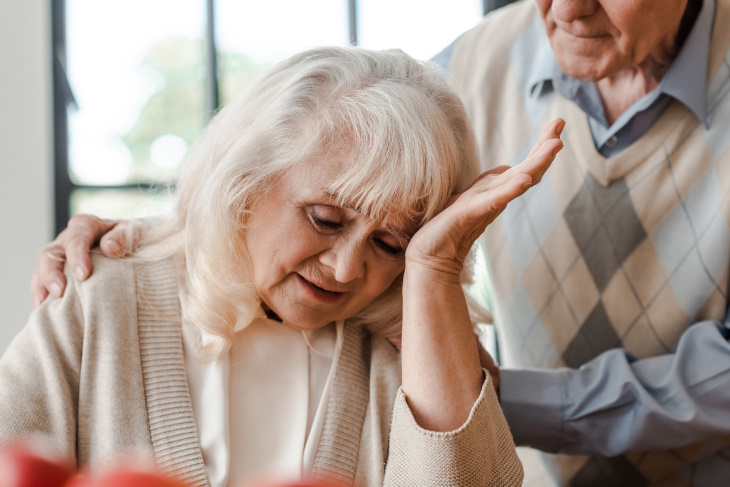
Preliminary research suggests that the symptoms of ADHD can change throughout one’s lifetime. Drastic life changes, such as illness, menopause, and retirement, can upset one’s coping mechanisms, and further exacerbate the symptoms of ADHD. As one ages, this can lead to serious challenges, such as:
Individuals with ADHD are also more likely to get into traffic accidents, have marital disagreements, and get divorced more often than their peers, and they are at a higher risk of developing complications or being diagnosed with physical illness later due to problems with self-organization.

In a piece for The American Association of Retired Persons (AARP), writer Theresa Sullivan Barger describes a typical story for an adult with ADHD: “I hit midlife feeling totally overwhelmed. I couldn’t concentrate, couldn’t prioritize. I chalked it up to menopause, or maybe just a series of “senior moments.” But then I found a therapist who understood exactly my problem: I had ADHD,” Sullivan Barger writes. “I’d been living with it all my life — but the drop in estrogen caused by the onset of menopause amplified its impact, and the coping methods I’d always relied on could no longer keep my racing mind in check,” she continues.
Some adults may only seek a diagnosis or begin suspecting that something is up once their kids or grandkids get diagnosed with ADHD. They may recognize the same patterns and symptoms in themselves. That said, older adults have some unique symptoms that may not appear in kids or young adults.
Additude Magazine, a leading information source about ADHD, outlines the following symptoms in older people with ADHD:
Harvard Health also has a useful PDF checklist that may be helpful for those considering the possibility of them or a loved one having ADHD. You can download it here - Adult ADHD Self-Reported Scale.



If you suspect that your symptoms may be related to ADHD, especially if you have a family member with the condition, discuss it with your physician or a specialist. Note, however, that many clinicians are not well-versed in the area because there are currently no guidelines for what ADHD looks like later in life.
It’s also crucial to keep in mind that not all ADHD medications may be available to seniors, even if they were known to take them earlier in life. Stimulant medications, in particular, may increase the risk of cardiac issues and may not mix well with other prescription medications. Still, there are now a few alternative non-stimulant treatments that may be available to adults over 60 as well.


 Go to BabaMail