We all know how important it is to take care of our eyes, especially in advanced ages, when time begins to affect the body and damage this important organ. Therefore, it is best that you know as much as possible about retinal degeneration, a disease that is particularly common among the elderly that affects the retina, and if you do not diagnose and start treating it on time, the consequences can be extreme – to the point of blindness.
Beyond the general information about this disease and the ways in which it can be identified, in the following article, you’ll also find information on the various treatment methods that can delay the development of the disease. So, read this information carefully, get yourself checked if necessary, and pass the article on to your friends and family - you may be helping them save their eyesight.

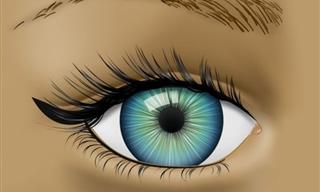
The retina is a layer of the eye located in the upper inner part. Its function is to absorb the light from the environment and convert it into nerve signals that are translated in our brains. Retinal degeneration is a disease that affects the center of the retina (macula) and is estimated to affect about 150 million adults worldwide and is the most common cause of blindness. The exact cause of the disease is not yet clear, but it is estimated that there are several risk factors that affect its development
Retinal degeneration can be divided into two main types and if you detect even some of these symptoms, it is recommended that you periodically visit your eye doctor:
Dry retinal degeneration - This is the milder form of the disease that develops slowly and gradually. Between 85 and 90 percent of people with retinal degeneration in the world suffer from the dry form. This situation has no medical solution, but it is possible to delay its progress and prevent deterioration in various ways, which we will discuss below.
Wet retinal degeneration - In this condition, in addition to degeneration of the retinal cells, leakages from the blood vessels in the same area also occur. This is a more serious condition, which can result in severe and rapid loss of vision. However, in the case of early diagnosis, immediate actions can be taken to treat the disease and prevent loss of vision.
Early diagnosis of retinal degeneration is critical in dealing with the disease and preventing blindness. For this purpose, it is important to know the warning signs that indicate retinal degeneration:
It is important to understand that the symptoms may not always be the same in both eyes. It is possible that one eye will experience serious degeneration while the other eye might not experience any symptoms at all at first. In any case, if you suspect that something is wrong with your eyes - it is always better to go to a qualified ophthalmologist as soon as possible. Periodic tests and early detection can control the symptoms of the disease and in some cases, save you from blindness.

Diagnosis of retinal degeneration is done through an eye examination by an ophthalmologist or optometrist. Over the age of 50, it is recommended to get these tests done every year. The diagnosis can be made in three main ways:

Currently, there is no cure for retinal degeneration. The medical options available today are partial treatments designed only to slow the progression of the disease or offer a semi-solution to preserve your remaining eyesight. Early diagnosis and continuous follow-ups with a qualified ophthalmologist are crucial to managing the condition effectively.
Current Partial Treatments:
For Wet AMD: The primary treatment involves anti-VEGF injections like Avastin, Lucentis, and Eylea, which are administered directly into the eye to stop the growth of excess blood vessels and reduce fluid leakage. Recent advancements have introduced longer-acting injections, such as Eylea HD and Vabysmo, which can last 3 to 4 months between doses. Another option is the Susvimo implant, a device placed under the eyelid that provides a continuous release of medication and only needs to be refilled every six months.
For Dry AMD: Patients with intermediate dry AMD are often recommended a specific formulation of antioxidant vitamins known as the AREDS2 formula to help reduce the risk of vision loss. For late-stage dry AMD, also known as geographic atrophy, the FDA recently approved complement inhibitor drugs called pegcetacoplan (Syfovre) and avacincaptad pegol (Izervay). These are injected into the eye and have been shown to slow the development of geographic atrophy, though they do not improve or restore lost vision. Additionally, a non-invasive treatment called photobiomodulation (light therapy) uses red and near-infrared light to improve cellular function and slow disease progression.
Promising New Studies and Future Treatments:
While current treatments focus on maintenance, researchers are actively conducting clinical trials on future therapies that aim to provide long-term solutions or even restore sight:
Gene Therapy: This is being explored as a "one-and-done" treatment that teaches the eye to make its own anti-VEGF proteins. Clinical trials are underway for candidates like RGX-314 for wet AMD, potentially eliminating the need for frequent, uncomfortable eye injections.
Stem Cell Therapy: Scientists are investigating ways to transplant stem cells into the eye to replace retinal cells that have died off due to the disease. While early studies have not shown unexpected side effects, it may take 10 to 15 years for stem cell therapies to be fine-tuned and proven effective in humans. If successful, this could offer a way to actually repair the damage done by AMD and restore vision.
Tyrosine Kinase Inhibitors (TKIs): These are currently being studied to help reduce the need for frequent anti-VEGF injections, potentially allowing patients to go up to six months between treatments.

 Go to BabaMail