
|
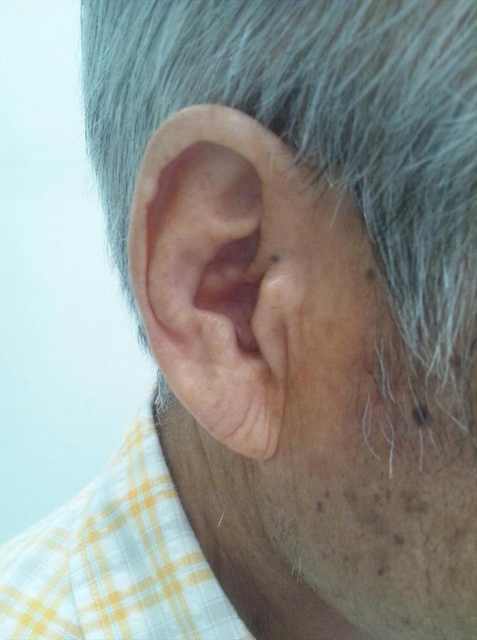
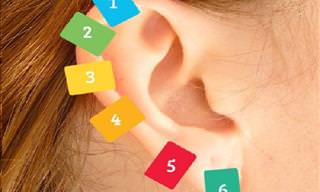
Could that small vertical mark on your ear have something to do with heart disease? Here is a simple test that could protect you from serious damage to your health.
But before you start worrying, here are some basic statistics and background on the test. Since Dr. Frank's studies were published, more scientists have looked into the correlation between the earlobe crease and heart disease.
One study conducted in 1980 found that there was no significant relationship between earlobe creases and coronary artery disease in American Indians, suggesting that "Frank's sign" may not have the same level of indication in other ethnic groups. Another study on Japanese Americans also found no correlation between earlobe creases and heart disease. Yet other scientists propose that because the studies are usually conducted on patients over the age of 50, the results may be biased as individuals naturally have a higher risk for these diseases as they age. It could be that earlobe creases are simply a sign of the natural aging process. Despite these doubts, most scientists and doctors agree that the appearance of an ear crease at the age of 50 and below could be a good indication that the body is not as healthy as it should be. For this reason, if you have an earlobe crease, or know someone with one, it is important to consult a doctor who can test your blood and determine if this odd indicator holds any truth. And remember, heart disease can be treated and even stopped in its tracks, and once it has disappeared, so too will the earlobe crease! |

9:09
Protective Measures: How Our Body Reacts to a Tattoo
In this video, we’ll explore the microscopic war raging beneath your skin, where millions of your cells make the ultimate sacrifice to lock that ink in place, turning a defense mechanism into lifelong art.
Incredible Story: The Woman Who Can SMELL Parkinson's
In this piece, we'd like to introduce you to Joy's story, the series of events that led her to "encounter" Parkinson's disease, and its significance for the future of the medical world.
Breakthrough Aging study: The Secrets of the "Super-Agers"
Age 80, Memory of a 50-Year-Old: Scientists Just Cracked the Secret of "SuperAgers"
Can We PREVENT Type 1 Diabetes?
The study's findings point toward developing a simple blood test that could detect the immune failure leading to type 1 diabetes before insulin-producing cells are permanently lost.
These Non-Routine Medical Tests Could Save Your Life...
Here are 8 non-routine tests that really have the potential to save your life, and some of them even need to be taken as early as 30.
Why Half of Colorectal Cancers Now Occur in Younger People
According to a major new report from the American Cancer Society (ACS), colorectal cancer — once considered largely a disease of older adults — is now striking younger people at rates that have experts genuinely alarmed.
5:44
Health Lesson: Why Too Much Water Can Kill You
Why is is that drinking too much water can kill you and how we can prevent such a danger? This video will tell you all about it.
14:09
8 Vitamins Every Senior Should Take for Strong Legs
These eight essential vitamins support leg health, reduce cramping, and keep you moving comfortably.
Study Finds a Causal Link Between Aging and Mood Disorders
Scientists have uncovered a critical mechanism linking aging to disrupted sleep, mood disorders, and neurodegenerative diseases.
9:21
11 Things We All Get Wrong About Food Allergies
Watch these two allergists debunk 11 common food allergy myths once and for all.
Un-Hunch Your Shoulders Easily With These 7 Exercises!
Got hunched shoulders? This guide will help you improve your posture.
5:31
Washing Dishes Without Hurting Your Back? Here’s How
Here's the absolute best method for making dishwashing pain-free.
5:41
Suffer From Joint Pain? You Should Eat More Apple Peels
Could eating more apple peels reduce the effects of chronic joint pain? This video explains.
5:00
Learn What Happens to You During a Stroke...
This video explains exactly how strokes work, as well as what causes them...
Supplement Linked to Dramatic Increase in Heart Failure
The research found that prolonged melatonin use is linked to a 90% increase in heart failure risk, a 3.5-fold higher risk of heart failure hospitalization.
What 10 Minutes a Day Can Do For Your Health
What if we told you that, according to findings from a new study, you don’t need to dedicate more than 10 minutes a day to physical activity to stay healthy?
Is Your Fatigue a Big, Red, Warning Sign?
A feeling of mild fatigue that passes after a while is quite common – but it turns out that if it strikes you too frequently or persists for a long time, it may predict some significant dangers.
Can We PREVENT Type 1 Diabetes?
The study's findings point toward developing a simple blood test that could detect the immune failure leading to type 1 diabetes before insulin-producing cells are permanently lost.
8:03
The 30-Second Ear Trick That Calms Your Nervous System
This quick ear exercise stimulates the vagus nerve, which plays a key role in relaxation and healing.
How to Check Your Mouth for Mouth and Throat Cancer
This guide will explain the risk factors, show you a step-by-step self-exam procedure, describe common symptoms to watch for, and advise when to seek medical care.
12:46
13 MORE Myths on Sleep Debunked by Experts
These two sleep experts will answer your questions and explain common concerns about sleep.
Women over 45 Should Be Aware of This Risk
menopause itself is associated with an increased risk of heart disease due to numerous changes occurring in the body. However, it is possible to maintain a healthy heart during menopause...
This Weed-Induced Disorder is on the Rise Among Youngsters
A serious vomiting disorder linked to chronic cannabis use is increasing sharply across the United States, with emergency department cases rising fivefold between 2016 and 2022.
A Vital How-to Guide of Neuropathy Treatment & Prevention
Our full guide to one of the worst and most common nerve problems - neuropathy.
1:36
Do You Crack Your Knuckles? You Need to Watch This
Knuckle cracking is a common habit, annoying for some people, a ritual for others. But is it bad for bones? This video will reveal all.
12:00
Easy Exercises to Keep Your Blood Pressure in Check
These gentle exercises may help bring balance to both body and mind.
4:01
Doctor Tip: How to Drain Sinus and Clear Nose in 1 Move!
This doctor has a genius routine for draining your sinuses while also clearing your nose.
8:25
The Perfect Seated Core Workout for Seniors and Beginners
In this video, two physical therapy experts will guide you through a short seated core strengthening workout suitable for seniors and beginners.
All About Gut Health, Prebiotics and Probiotics
Your beginner's guide to everything related to probiotics, prebiotics, and postbiotics.
How to Prevent Painful Chafing: Five Natural Solutions
It’s even possible to prevent chafing in advance if you know what to do and how to prepare for it. We will teach you all about it here – the signs, home treatments, and prevention methods.
How AI is Revolutionizing Diabetes Management
There's good news on the horizon: artificial intelligence is stepping in to make diabetes management easier, more personalized, and more effective than ever before.
When is it Panic Attack and Not Just Anxiety?
In this article, we explain what anxiety is, what a panic attack is, what the difference between them is.
Guide: Going Gluten-Free Without a Gluten Intolerance
Is there any real benefit to going gluten-free if your body handles gluten just fine? The answer, according to the latest research, might surprise you.
GUIDE: Is GLP-1 Right For You?
Glucagon-like peptide-1 (GLP-1) medications, which mimic a natural gut hormone that helps regulate appetite and blood sugar, are increasingly appearing in discussions about weight, metabolism, and long-term health.
9:43
What is EMDR Therapy, and How Does it Help?
EMDR is a proven technique in treating traumatic memories.
5:11
Blueberries: Nourishing Your Body the Natural Way
Blueberries are nutritious, anti-inflammatory and rich in antioxidants, a true dietary medicine.
2:52
Is It Ever Safe to Eat Food with Mold on It?
Mold on food raises a lot of questions, and the answers depend on what you’re eating.
14:06
15 Myths on Sleep DEBUNKED by Experts
Watch two sleep experts disprove some of the most common myths on sleeping.
31:20
Restorative Yoga to Relieve Sciatica You Can Do Lying Down
This yoga practice is safe for those suffering from sciatica and was compiled specifically to help relieve the pain associated with it
9:09
How to Improve Your Neck Posture in 30 Days
A forward head posture affects the alignment of the entire spine and may lead to neck pain and even headaches. Here's how to improve your neck posture.
How Much Protein is Needed to Lose Fat and Keep Muscle?
Losing fat without losing muscle - that's the goal of almost everyone in a cutting or weight loss process. But how much protein do you really need to eat to preserve muscle mass?
6:49
5 Effective Ways to Get Rid of Bunions Without Surgery
Struggling with bunion pain? These tips will help.
3:33
What Causes Constipation? Find Out Here...
What's behind constipation? This informative TED-Ed video sheds some light on the matter!
Fluoride vs. Fluoride-Free Toothpaste: Which Is Better?
In recent years we can see a rise in fluoride-free toothpaste. Do we really need it in our daily ritual? We set out to find all about fluoride.
Guide: How to Boost Collagen and Preserve Your Skin
When it comes to maintaining youthful, healthy-looking skin, collagen sits at the top of the list. In this article we look at why that is and how it can be boosted for healthier, younger-looking skin.
7:01
Fun Exercises to Strengthen the Hands, Forearms and Wrists
These simple exercises everyone can do in the comfort of their home will make your hands, forearms and wrists strong again and forever
To enable your Ad-Free Subscription, please fill the fields below
Your subscription was successful, now you can enjoy an ad-free experience!! Note: To make sure you get no ads, please make sure to log in to your account. If you are logged in already, then refresh the page. The subscription can be cancelled at any time.

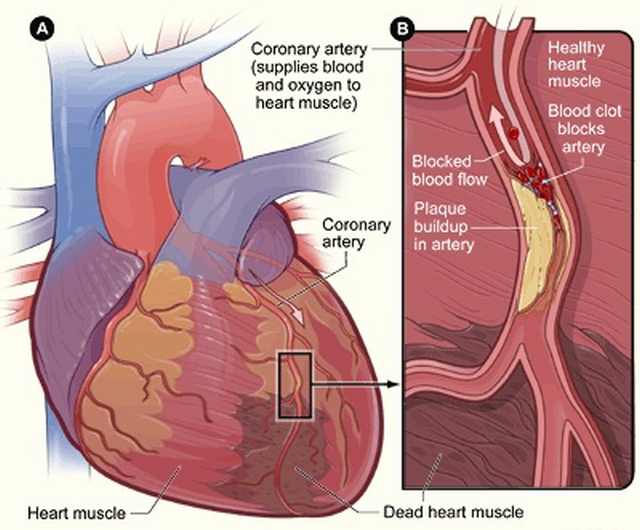
Biologically, ear creases result when the elastic tissue around the small blood vessels in the ear begins to degenerate. This is the same type of change that occurs in the blood vessels when one has coronary artery disease. Therefore, scientists concluded that the visible change in the earlobe could be an indication of more serious changes occurring in the blood vessels around the heart.